You must have regular cleaning scheduled according to risk factors, food processing capacity, food allergen presence, and regulatory checks, plus verification documentation supporting HACCP compliance, regulatory audits, and government health requirements. The information below describe essential sanitation program components.
Essential Summary
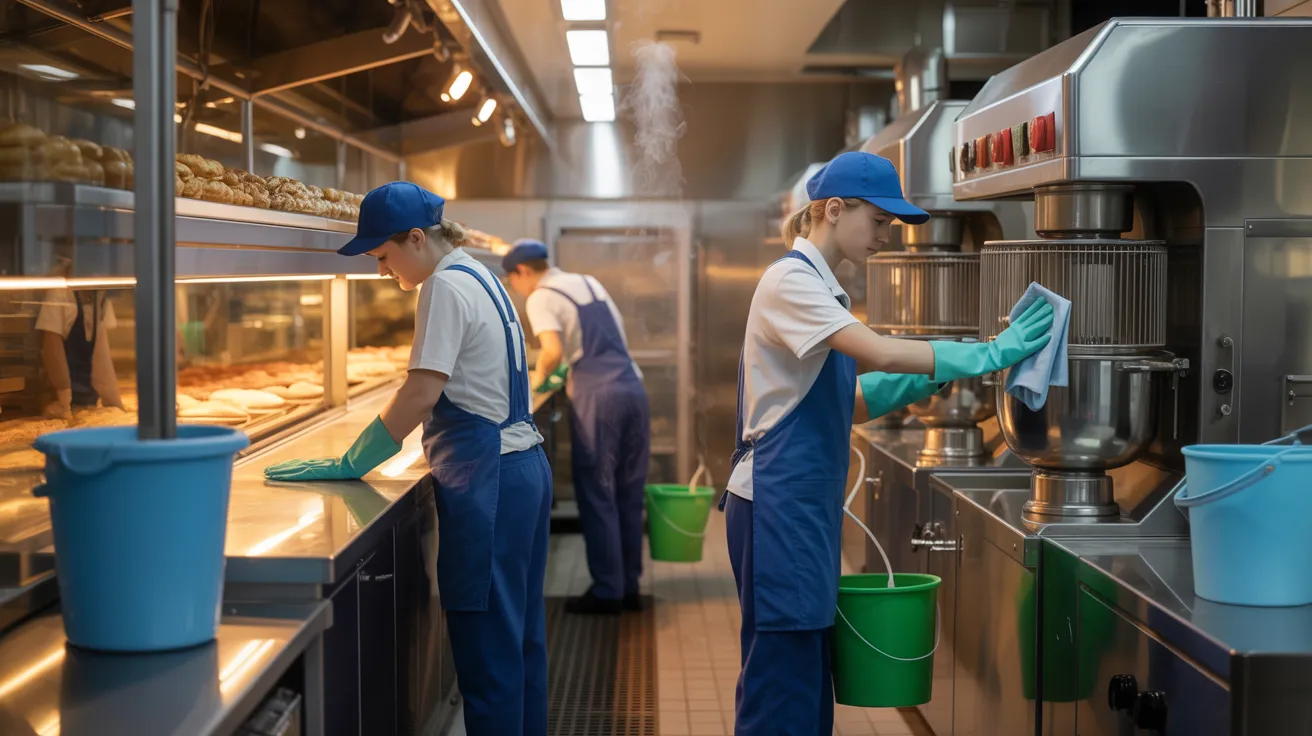
- Brampton's sanitation experts maintain restaurants, grocery departments, commissaries, warehouses, bakeries, schools, mobile vendors, and allergen-sensitive operations.
- They treat high-touch surfaces, food-contact equipment, kitchens, floors, drains, restrooms, and storage areas using zone-based workflows to avoid cross-contamination.
- Checking of approved sanitizer dilution, appropriateness, and contact time is executed by certified specialists, with completion filed using swabs, assessments, and remedial documentation.
- Regular, recurring, and annual operations designated by area make up sanitation calendars based on danger, output capacity, format changes, accidents, and guidelines.
- Opt for vendors with hazard analysis knowledge, sanitation, understanding, safety training, preparation, protection, testimonials, colour-coded instruments, and assessment-ready maintenance paperwork.
Brampton Facilities That Need Food Safety Cleaning: Which Ones?
Any Brampton facility that handles, stores, prepares, packages, or serves food needs sanitation protocols. You must use it if your business falls under public health inspection, food premises regulations, or internal HACCP-based controls. That requirement covers food service venues, employee cafes, supply centers, retail departments, meat shops, fish areas, local stores, and institutional food prep areas.
Compliant food safety cleaning is additionally necessary in warehouses, food manufacturing plants, cold storage sites, retail bakeries, school nutrition programs, banquet halls, and meal delivery hubs. Mobile and temporary establishments are included, like food trucks, event vendors, and temporary stalls. Your location requires established hygiene procedures when your workers work with ingredients, section finished dishes, heat items, or keep allergens organized. In Brampton, hygiene remains not discretionary; it represents lawful, operational, and customer protection adherence.
Which Areas Do Brampton Cleaning Experts Cover?
Your operation needs cleaning professionals who sanitize all high-touch areas, cooking and food prep areas, floors, and toilet facilities to maintain food safety compliance and public health standards. These specific areas are emphasized due to their elevated cross-contamination potential, hazardous walking conditions, and violations of hygiene standards.
Understanding their cleaning procedures allows you to confirm your facility's cleaning meets required standards and regulations.
Disinfecting High-Touch Areas
Brampton janitorial experts emphasize high-touch surface disinfection because these contact points can transfer microbes and organic matter throughout a establishment. You need a scheduling system for cleaning all high-touch items including handles, plates, switches, railings, control surfaces, POS systems, and refrigeration equipment. Using surface identification mapping, specialists pinpoint every commonly touched area and establish cleaning intervals
Preventing cross-contamination by swapping wipes, maintaining directional cleaning patterns, and dividing sanitization equipment according to location maintains your disinfection system stays verifiable, justified, and compliance-ready.
Food Prep Areas, Flooring, and Sanitary Facilities
Professional cleaners in Brampton concentrate on kitchens, floors, and restrooms given that each location involves distinct contamination control, slip-and-fall, and public health requirements. In industrial kitchens, you need grease removal from cooking stations, appliance surfaces, drain systems, preparation areas, and backsplashes to minimize bacterial growth and pest activity.
You should also expect documented floor care. is likewise provided as part of the service.
For restroom sanitation, cleaners disinfect high-touch surfaces, bathroom fixtures, stall dividers, supply dispensers, and trash receptacles, then replenish amenities and manage odor. They also maintain restaurant cleaning supply rooms where product storage, sink cleanliness, and drain systems impact daily sanitation standards and worker protection.
The Importance of Food Safety Cleaning in Brampton
In Brampton, you must maintain food-safe cleaning standards to meet health code requirements and achieve compliance. You also minimize cross-contamination by cleaning and sanitizing food-contact surfaces, equipment, and high-touch areas correctly. Most importantly, you safeguard public health by lowering the risk of foodborne illness in your facility.
Health Code Compliance
Food companies in Brampton face stringent health requirements, making food safety cleaning crucial to meeting health code requirements, defending patrons, and sidestepping enforcement action. You must maintain sanitized food contact points, written maintenance records, proper chemical use, and verifiable staff procedures that correspond to municipal and provincial inspection expectations.
When inspectors review your operation, they determine whether your sanitation system supports proper stock preservation, tool sterilization, waste handling, and restroom sanitation.
Cross-Contamination Prevention
Following regulatory requirements depends on your ability to prevent cross-contamination in daily food handling and cleaning. You should isolate raw items from prepared foods, disinfect work areas after use, and maintain separation of cleaning products from food. Clear procedures reduce transfer risks and support consistent compliance during inspections.
Building allergen isolation prevents priority allergens from contacting shared surfaces, containers, or equipment. Leverage separate cutting boards, colored implements, and precise instrument labeling so team members won't blend products in cooking or serving.Enforce handwashing after handling raw meat, seafood, eggs, or allergen-containing products. Refresh cleaning cloths frequently, and confirm sanitizer strength with test strips. When you train staff to follow these controls every shift, you foster a cleaner, more secure operation that exceeds Brampton's safety standards consistently.
Public Health Safeguarding
When food safety cleaning deteriorate, you don't only risk a failed inspection—you expand the chance of food contamination striking customers, staff, and the larger Brampton community. You also weaken your role in protecting public health, especially in busy food facilities where pathogens travel quickly through surfaces, equipment, and touchpoints.
You require cleaning procedures that eliminate soils, disinfect correctly, and verify outcomes. This involves adhering to contact periods, utilizing approved disinfectants, documenting procedures, and training employees to meet health-unit expectations. These mechanisms support disease prevention by decreasing microbes before reaching food or hands. Across Brampton, strong cleaning protects at-risk populations, limits outbreak risk, and shows your diligence. When you maintain proper protocols, you go beyond requirements—you meaningfully reduce risk and enable safer food service throughout the area.
Why Is Cleaning Essential for Food Safety Compliance?
Committing to strict sanitation practices secures food safety compliance by minimizing contamination hazards, preventing pathogen multiplication, and maintaining your facility's adherence to sanitation requirements under HACCP-based programs and public health regulations. You validate that food-contact surfaces stay visibly clean and microbiologically controlled, facilitating documented preventive controls and inspection readiness.
Effective cleaning also enhances allergen mitigation by clearing residues that can provoke undeclared allergen exposure. by clearing residues that can provoke undeclared allergen exposure.
What's the Best Time to Schedule Commercial Cleaning?
maximum production periods, product switches, spillage events
risk factors, production capacity, or regulatory requirements shift
Finding Quality Brampton Cleaning Experts: A Guide
Start by screening providers against food-safe sanitation requirements, not price alone. You should verify that each company understands CFIA, public health, and HACCP compliance standards relevant to your facility. Ask for insurance documentation, WHMIS compliance, documented staff training, and supervision practices. Review whether technicians understand cross-contamination risks, chemical handling, and traceable sanitation records.
You must also evaluate business consistency and accountability. Seek references from food facilities in Brampton, then assess response times, corrective processes, and communication standards. Ensure the company enables supplier checks and can provide inspection-ready documentation when authorities or third parties demand verification. Verify equipment care, color-coded items are deployed correctly, and site-specific hazards are understood. A qualified provider protects compliance, product integrity, and your brand reputation.
What's covered in a sanitation cleaning strategy?
Write out a framework that defines every sanitation activity, guideline, and role before production begins. You should include cleaning schedules, approved products, ratios, contact periods, tools, and validation approaches for each zone, surface, and piece of equipment. Remember to add pre-operational inspections, corrective actions, and employee training requirements.
Your plan should also include cross-contamination controls, waste handling, pest-prevention similar resource measures, and documented schedules for bathrooms, drainage, ground surfaces, and food-handling zones. Specify how you'll separate raw and ready-to-eat processes, help with ingredient tracking, and copyright accurate allergen labeling through validated cleaning between product changes. You should establish accountability, preserve signed records, and check results against regulatory standards, HACCP controls, and customer requirements. When gaps appear, adjust procedures immediately and retrain staff.
Regular Posed Questions
Are sanitation providers offered for overnight shifts in Brampton properties?
Yes, you can book sanitation coverage to support overnight shifts in Brampton facilities. You'll organize overnight sanitation around operational windows, security protocols, and staffing levels. Providers generally create overnight logistics to minimize disruption, maintain standards, and record finished tasks. You should verify response times, management, lockout protocols, and disposal procedures before starting service.
Can sanitation professionals manage hazardous incidents?
Yes, you can expect Brampton cleaning experts who provide hazard containment solutions. They handle contamination, evaluate dangers, isolate affected areas, and begin swift cleanup to reduce exposure and avoid operational disruption. You should confirm response times, professional credentials, PPE protocols, and disposal procedures. If your facility must meet regulatory requirements, choose a provider that documents incidents, maintains regulatory procedures, and supports audit readiness.
Can environmentally safe disinfectants be deployed safely on surfaces contacting food?
In essence, green disinfectants function safely for food preparation areas provided you choose disinfectants approved for food contact that satisfy regulatory requirements. Verify contact duration, concentration levels, and rinse protocols prior to application. Botanical formulations lower chemical hazards, although you should obtain confirmation of performance against harmful bacteria. For maintaining surfaces without residue, follow manufacturer instructions exactly and validate the cleaning agent complies with food sanitation requirements.
Will sanitation programs adapt to seasonal production changes?
Certainly, maintenance plans accommodate seasonal production changes successfully. Modify timing, staff levels, sanitizers, and validation steps to match with production rhythms while preserving compliance standards. Minimize operational delays through scheduling sanitation amid changeovers, maximum output, and equipment use patterns. Concurrently update procedural documents, staff education, and environmental testing to account seasonal hazards, emerging allergens, or elevated soil levels. Scheduled reviews ensure your strategy functional.
Will commercial cleaners train your staff on hygiene best practices?
Yes, commercial cleaners typically educate your staff on hygiene standards. You get employee instruction on proper chemical use, exposure periods, cross-contamination prevention, equipment disassembly, and documentation. They typically align training with HACCP, GMP, and CFIA or regional health department regulations. Many also conduct hygiene inspections to confirm adherence, identify gaps, and strengthen remedial steps. This allows you to maintain consistent procedures, succeed in audits, and minimize contamination hazards daily.
Summary
Through engaging Brampton food safety and commercial cleaning experts, you accomplish much beyond organizing—you keep your operation prepared for audits and your procedures meet requirements. From production floors to kitchens, all maintained surfaces and kept corners reduce contamination risks and avoid major losses. Through booking service at proper intervals and sticking to a solid cleaning plan, you safeguard employees, clients, and your standing. Within strict regulatory frameworks, clean conditions cannot be considered optional—they are fundamental to success.
Comments on “Professional Food Safety Cleaning”